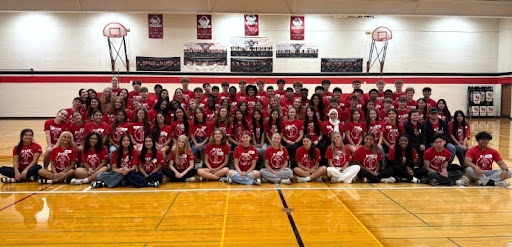
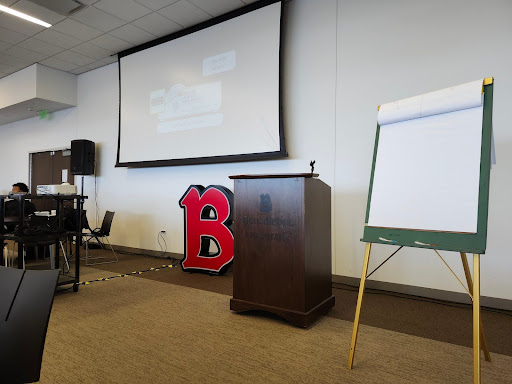
On Friday, March 20th, students from all across Glenbard gathered at Benedictine University for the 2nd annual Amplify Your Voice Leadership Conference. This all day event brought together students from Glenbard East, South, North, West, and Glenbard Directions for a day centered on leadership, mental health, and student empowerment.
For many students, the conference left a lasting impression. Glenbard East Sophomore Leila Fofana shared that her biggest takeaway was redefining what it means to be heard. “Amplifying your voice doesn’t just mean being louder, but can also mean having confidence in yourself and your own abilities,” she said.
Students also found inspiration in the speakers and sessions throughout the day. “I plan to make sure that I am making sure my voice is heard, in whatever situation I’m in,” Leila added. She also said that the event created opportunities to connect with new people across schools, calling it “a great experience to meet new people.”
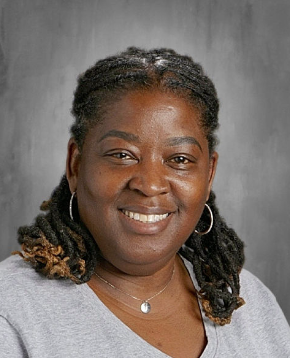
Staff and organizers shared similar goals for the conference. According to Dean of Students and organizer Ernest Travis, the purpose of the event is to “provide students with an engaging and empowering experience that helps them develop leadership skills, build confidence, and find their voice in their own spaces and schools.”
He said that students should leave with “a stronger sense of self confidence and the understanding that their voices and ideas matter.”
Ava Blalark, a key leader of the event, highlighted the broader vision behind the conference. “To create leaders that impact our schools, our district and go out and change the world through self improvement,” she said. She also noted the importance of giving students practical knowledge they can apply in everyday life.
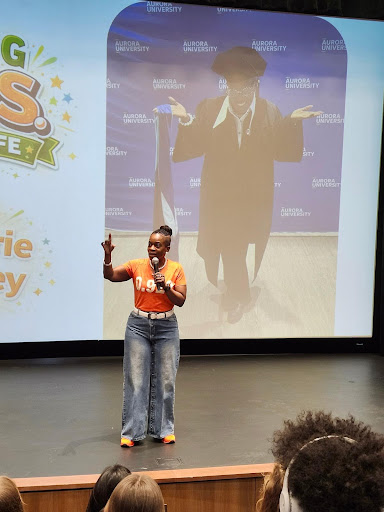
The day began with Dr. VaLarie Humphrey sharing her personal story, emphasizing that one’s background does not define their future. She encouraged students to be mindful of the people they surround themselves with, noting how those influences can shape their paths. Her message of separating “static and signal” resonated as a reminder to focus on what truly matters.
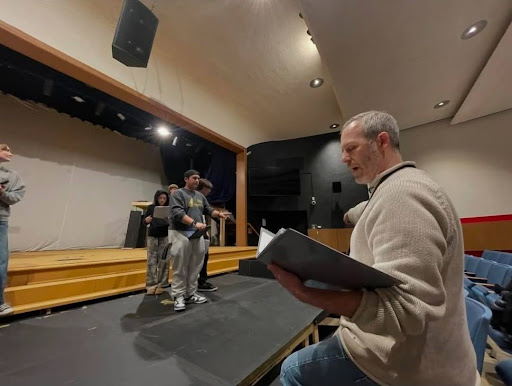
Following VaLarie’s Presentation, students attended 45 minute breakout sessions covering topics such as student leadership, mental health, social justice, and building community. These interactive sessions were designed to engage students directly, allowing them to participate rather than passively listen.
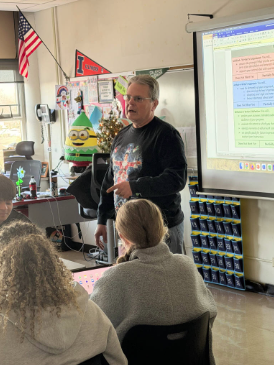
One session, led by Ava Blalark, focused on mental health awareness, incorporating statistics, support systems, and open discussion. “My favorite part is student participation, while laughing and learning with them,” she said.
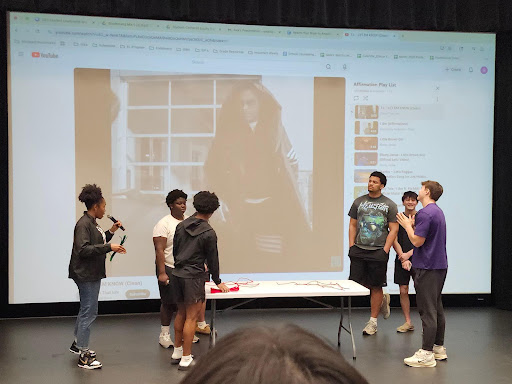
Another session, led by Shaun Derik, encouraged students to reflect on their personal preferences and individuality. Through interactive movement activities, students physically represented their likes and dislikes, reinforcing the message of not following the crowd.
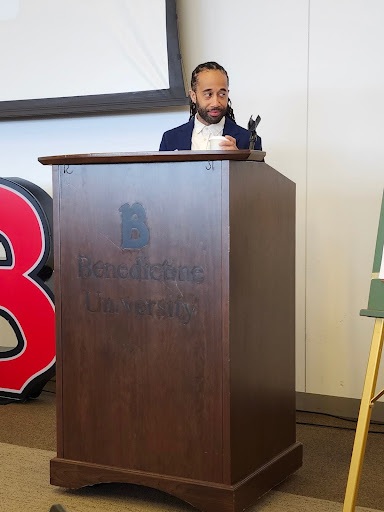
Speaker Javier Sánchez brought humor and honesty to the room, sharing life lessons drawn from his experiences as a comedian and father. “Don’t let others write your story, they might not have your best interest in mind,” he told students. He emphasized growth over perfection adding, “Nobody is interested in perfection… You learn, you figure it out.”
Javier also challenged students to think beyond traditional definitions of success. “When people ask you what you want to do when you grow up, it almost always means jobs,” he said. “Money is not the end all be all.” Instead, he encouraged students to focus on their passions and values, reminding them to “amplify your voice about what you care about.”
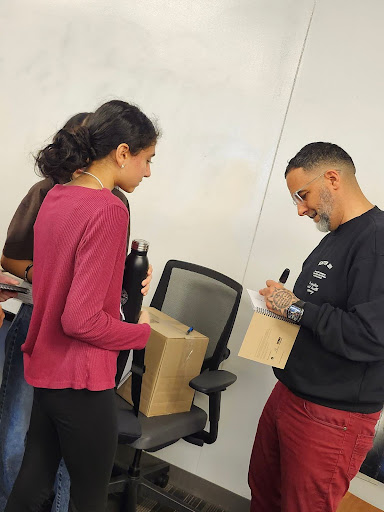
The conference concluded with closing remarks that reinforced the day’s central message, every student has a voice that matters. With workshops, discussions, and shared experiences, the event created a supportive environment where students felt empowered to speak up and take action.
As the conference continues to grow, organizers hope to expand its reach. Future plans include bringing in more speakers, offering new workshops, and creating ongoing opportunities for students to stay involved.
For students like Leila, the impact is already clear. “Not only does it help build your voice, but it helps you use it,” she said. “In the future, I’d love to see a larger turnout of students.”