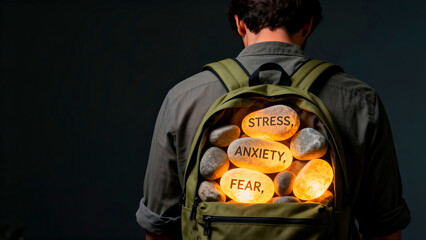
My plan with this article was to spread awareness of something that I think is extremely important: seasonal mental health struggles. A person’s journey through winter can be stressful, something I have firsthand experience with. For example, I started this article in mid November. Now, on April 30th, I’m going through one final edit. During these five months, there have been several drafts, major changes, and a serious amount of stress to publish this article.
Obviously, this is not ideal, but the best part about this is that I’m actually finishing it, which is the best thing I could ask for.
The shift from the 100% effort and constant focus of finals season to the lighter, more comfortable atmosphere of winter break can be a real hit to motivation. Somewhere along the way a heavier mindset creeps in before a person even notices it. This can be very bad for someone’s mental health: affecting motivation, energy, and most mental functions in a way that makes life harder to navigate. It can be confusing and frustrating, but the best way for someone to help themselves is to learn their own struggles; thankfully, many strategies and resources exist to help people begin their own journey.
The best way to start exploring this is by asking one question: what do you experience?
Mental health problems present in a lot of different ways including internally and externally.
For example, something I personally deal with is a lack of motivation; maybe I’m slower with my homework, find it difficult to get through the day, or don’t want to get together with friends as often. Lacking motivation can mean finding it hard to do things, but it also simply means having less energy to spend on more taxing activities; a lack of energy works hand-in-hand with motivation.
Oftentimes, feeling less energy or motivation can stem heavily from the loss of sunlight: more clouds and less sun causes a lack of serotonin, which helps boost someone’s mood. This means, for example, that even if I get a full eight hours of sleep, I may still feel tired. This dip in serotonin, along with disruption to the circadian rhythm, or “internal clock”, as it’s more simply known, can lead to fatigue and depression over time.
Cold weather, as well, can create obstacles to mental health. While it has no effects like the decrease in serotonin, the cold itself is enough to discourage someone from leaving their house. In my experience, being cold is something I love to avoid, which means it becomes a common excuse I use to not do things like being social; this often leads to more distance and loneliness, however.
According to Marina Brennan, school psychologist, school work is also affected by the seasons. She said finding the energy for homework is a common challenge, but it helps to set aside a specific time every day to get work done.
“I would say for students specifically… it’s important to be able to follow your regular schedule” Brennan said.
This means continuing regular attendance at school, which she said can be a big challenge for people.
That makes sure there is less of a pile-up of homework to cause stress over time. The way I see it, having that shorter work list makes it feel less intimidating after a long or tiring day; having a time set aside as well as a study method or specific routine can be very helpful when school work makes you feel overwhelmed.
Aside from skills, something crucial as well is that you take care of yourself as much as possible, according to Megan Mrazek, school social worker.
This can look different for everyone, she said. This means there are so many things you can do such as adding a little something to your day that differentiates it from others.
I often find that switching things up and having something fun to look forward to can really boost my mood and keep me motivated throughout the day, which otherwise can be a big problem for me.
Something else that can help very much is taking time for mindfulness, or more importantly: activities that don’t include electronics. It can be a big struggle, but being able to separate from screens, especially social media, can do so much good. Things like reading, going outside, and exercising, to name a few, are very good opportunities to leave electronics turned off. For me, exercising is especially helpful, because it burns a lot of the energy that keeps my mind awake at night, as well as creating a physical fatigue that can be really refreshing after so much heavy mental tiredness.
One last critical note is to try to only focus on what YOU can control. Frustration can build very easily if there are too many roadblocks. Taking time to be mindful of the separation between things someone can and cannot control can be really helpful; it can even make things feel easier in the long run. It may be daunting, but it is extremely important to know how to work with instead of against roadblocks.
Along with skills and activities, there are tons of resources to look at, too.
At school we have a lot of options, like the counselor QR code: students can scan it and fill out a form detailing their needs to set up a meeting with a counselor or social worker that can help. If they feel that they need more support than that, they can ask about the CARES Program. The program is designed to help students get access to mental health services outside of school by tailoring the process in a way that works best with the student and their family, no matter the circumstances.
There are two final thoughts that I would like to recommend: First, I very strongly suggest that if you feel yourself struggling in any way, please ask for help. In my experience, the more you advocate for yourself and ask for support, the easier it gets. I really believe that simply asking is the most important thing when dealing with mental health.
Last, I have a small activity for anyone that is, or has been struggling. It may not be very cold anymore, but because we have all been through so much dreariness in the past few months, I suggest reflecting on how winter has been. Reflect on the struggles you might have faced, why they came up, and how you reacted. Any information gleaned from this reflection is a great way to start planning for next winter.
Take those problems and plan how to get through them. Find ways to calm your mind, strategies to navigate negative feelings, and the most important: things that make you happy.